Tag: HVAC Air Filter Direction

  • Become an HVAC Technician: Unlock High-Paying Job Opportunities

    Become an HVAC Technician: Unlock High-Paying Job Opportunities

    Become an Hvac Technician: Unlock High-Paying Job Opportunities

    Do you want to work with heating, cooling, and ventilation systems? Becoming an HVAC technician might be a good choice. HVAC means Heating, Ventilation, and Air Conditioning. These systems keep homes and buildings warm or cool. They also help clean the air.

    What Does an HVAC Technician Do?

    An HVAC technician installs, fixes, and maintains heating and cooling machines. They work on furnaces, air conditioners, and ventilation systems. When a heater or air conditioner stops working, people call HVAC technicians.

    Their job is important. Without heating, homes can be very cold in winter. Without air conditioning, buildings can be too hot in summer. Good air systems make people comfortable and healthy.

    Why Choose a Career as an HVAC Technician?

    • There are many jobs available for HVAC technicians.
    • The work is often hands-on and active.
    • You can work indoors or outdoors.
    • You help people stay safe and comfortable.
    • The pay is good and can grow with experience.

    What Skills Do You Need?

    To be a good HVAC technician, you need some skills. These skills can be learned over time.

    • Good problem-solving: You must find out what is wrong and fix it.
    • Mechanical skills: You work with machines and tools.
    • Basic math: You use measurements and calculations often.
    • Physical fitness: The job can be active and sometimes hard.
    • Good communication: You explain problems and solutions to customers.

    How to Start Your HVAC Career

    Starting a career as an HVAC technician has several steps. You need education, training, and sometimes a license.

    Step 1: Get A High School Diploma Or Ged

    Most HVAC jobs require at least a high school diploma. Classes in math, science, and English help you learn important basics.

    Step 2: Join An Hvac Training Program

    Many technical schools and community colleges offer HVAC programs. These programs teach you about heating, cooling, electrical systems, and safety.

    Training programs usually last 6 months to 2 years. You learn both in the classroom and by doing hands-on work.

    Step 3: Get Work Experience

    After training, you need real work experience. Many new technicians start as helpers or apprentices.

    Apprenticeships combine work and learning. You work with an experienced technician. This helps you gain skills and learn the job better.

    Step 4: Get Licensed Or Certified (if Required)

    Some places need HVAC technicians to have a license or certificate. This shows you have the right skills and knowledge.

    Licensing rules are different in each state or country. Check local rules to see if you need a license.

    Step 5: Keep Learning

    HVAC technology changes fast. New machines and systems come out often. Good technicians keep learning new skills and information.

    You can take extra classes or workshops to stay updated. This helps you do your job better and find more work.

    Tools and Equipment Used by HVAC Technicians
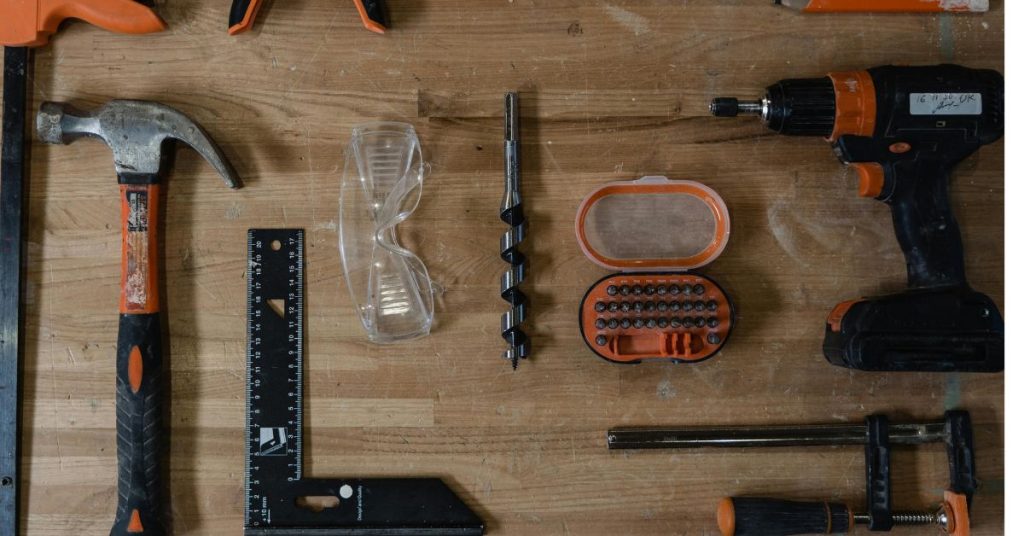
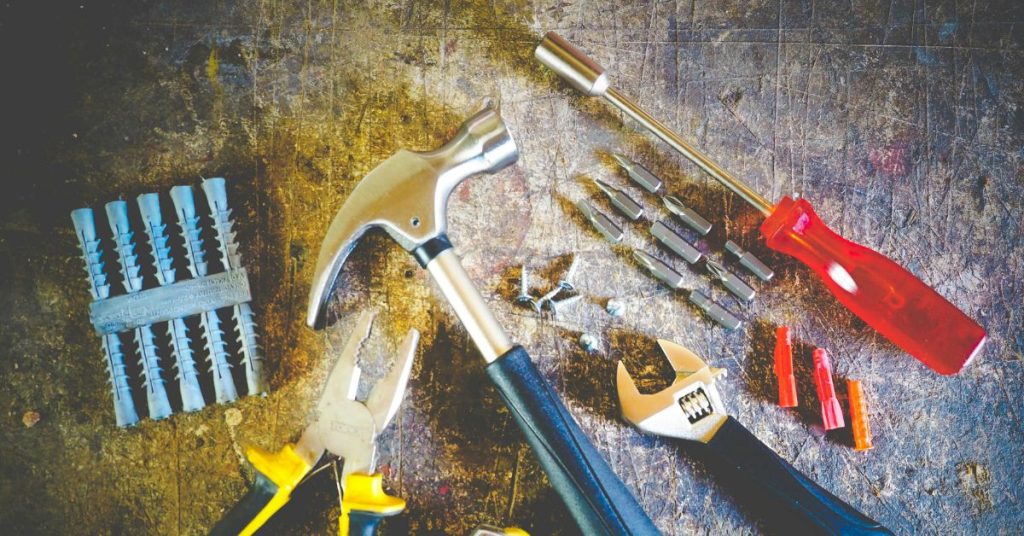
    HVAC technicians use many tools to do their jobs. Some common tools are:

    • Multimeter – to check electrical circuits
    • Refrigerant gauges – to measure cooling fluids
    • Wrenches and screwdrivers – for repairs and installation
    • Pipe cutters – to cut pipes for heating or cooling
    • Vacuum pumps – to remove air from cooling systems

    Work Environment of an HVAC Technician

    HVAC technicians work in many places. Some work in homes, others in offices or factories. They may work indoors or outdoors. Sometimes they climb ladders or work in small spaces.

    The work can be hot or cold, depending on the season. Safety is important, so technicians wear protective gear.

    Salary and Job Outlook for HVAC Technicians

    HVAC technicians earn a good income. The pay depends on experience and location.

    Experience LevelAverage Yearly Salary (USD)
    Entry Level$30,000 – $40,000
    Mid Level$40,000 – $55,000
    Experienced$55,000 – $70,000+

    The demand for HVAC technicians is expected to grow. More buildings need good heating and cooling systems.

    Summary: Steps to Become an HVAC Technician

    1. Finish high school or get a GED.
    2. Enroll in an HVAC training program.
    3. Gain work experience as an apprentice or helper.
    4. Get licensed or certified if needed.
    5. Keep learning to stay current in the field.

    Becoming an HVAC technician is a good job choice. It offers steady work and a chance to learn new skills. If you like working with tools and fixing things, this job can suit you.

    Frequently Asked Questions

    What Education Is Needed To Become An Hvac Technician?

    Most HVAC technicians need a high school diploma or GED. Technical training from a trade school or community college is common. Certificates or associate degrees help with job readiness.

    How Long Does Hvac Training Usually Take?

    Training programs often last 6 months to 2 years. Some take less time for basic certificates. Hands-on experience is important during training.

    What Skills Are Essential For Hvac Technicians?

    Good mechanical skills and problem-solving are key. Basic math and communication skills also help. Physical fitness is important for handling equipment.

    Do Hvac Technicians Need Licenses Or Certifications?

    Many states require technicians to be licensed. EPA certification is needed to handle refrigerants. Certification shows employers you meet safety standards.
  • Air Filter Direction HVAC: Essential Tips for Optimal Performance

    Air Filter Direction HVAC: Essential Tips for Optimal Performance

    If you have an HVAC system in your home, you know it helps keep the air clean and fresh. But did you know the direction of your air filter matters a lot? Yes, the way you put your air filter into the HVAC system can change how well it works.

    What Is an HVAC Air Filter?

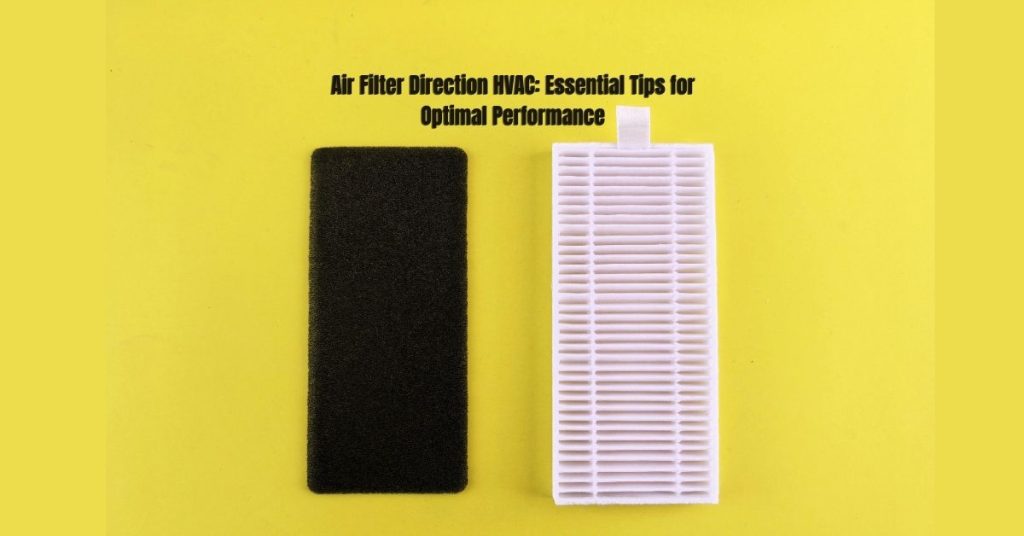
    An HVAC air filter is a part that cleans the air. It catches dust, dirt, and other tiny things. These things can harm your health or make your system dirty. The filter stops them from moving inside your home.

    Without a good filter, your HVAC system might get clogged or break. Also, your house will have more dust and bad air.

    Why Does Air Filter Direction Matter?

    Air filters have two sides. One side faces the air coming into the system. The other side faces the air going out.

    If you put the filter the wrong way, it will not clean the air well. It can also block air. This makes the HVAC system work harder. When this happens, your system uses more energy and may wear out faster.

    So, putting the air filter in the right direction helps your HVAC system work better and last longer.

    How To Find the Right Direction

    Most air filters have arrows on the side. These arrows show the air flow direction. The arrow should point toward the HVAC unit or the blower fan. This is usually inside the system where the air is pushed out.

    If you do not see arrows, look for the side that feels rougher. The rough side is usually the front that catches the dust.

    Remember, the goal is to have air flow from the clean side to the dirty side inside the filter.

    Step-by-step Guide To Install The Air Filter

    1. Turn off your HVAC system before starting.
    2. Find the air filter slot in your system.
    3. Look for arrows on the filter frame.
    4. Put the filter so the arrows point inside the system.
    5. Make sure the filter fits snugly without gaps.
    6. Turn the HVAC system back on.

    Signs Your Air Filter Is Installed Wrong

    Signs Your Air Filter Is Installed Wrong

    Sometimes, you might install the air filter the wrong way. How can you tell?

    • The system makes strange noises.
    • The air flow is weak or uneven.
    • Your energy bills go up.
    • You see more dust or dirt in your home.

    If you notice these signs, check your air filter direction again.

    Types of Air Filters and Their Directions

    There are different types of filters. Each needs the right direction too.

    Filter TypeDescriptionDirection Tip
    Fiberglass FiltersThin and cheap filters. Catch big dust particles.Arrow points to the air handler or blower.
    Pleated FiltersThicker, with folds. Catch smaller dust and pollen.Arrow always points to the HVAC unit inside.
    Electrostatic FiltersUse static electricity to catch particles.Follow arrow direction carefully for best effect.
    HEPA FiltersVery fine filters that catch tiny particles.Must be installed with arrow toward airflow.

    What Happens If Air Filter Direction Is Wrong?

    Wrong direction can cause many problems:

    • Poor Air Quality: Dust and dirt pass through easily.
    • System Damage: Dirt builds up inside the HVAC parts.
    • Higher Energy Use: The system works harder and longer.
    • Shorter Filter Life: Filter clogs faster and needs more changes.

    So, installing the filter the right way saves money and keeps your home clean.

    How Often Should You Change Your HVAC Air Filter?

    Changing your air filter often is very important. Usually, every 1 to 3 months is good.

    If you have pets or allergies, change filters more often. Dirty filters block air and make your system work hard.

    Always check the filter monthly. If it looks full of dust, change it.

    Tips for Maintaining Your HVAC System and Filter

    • Always check the air filter direction when replacing it.
    • Keep the area around your HVAC system clean.
    • Schedule regular HVAC checkups with a professional.
    • Use the correct filter size for your system.
    • Do not force a filter that is too big or small.

    Summary: Why Air Filter Direction Matters

    Air filter direction in HVAC systems is key for clean air and system health.

    Putting the filter wrong causes poor air quality and higher costs.

    Always follow the arrow on the filter frame. This arrow shows air flow.

    Change your filter regularly. Keep your system clean and running well.

    With the right air filter direction, your home stays fresh and your HVAC lasts longer.

    Frequently Asked Questions

    Why Is Air Filter Direction Important In Hvac Systems?

    Correct air filter direction ensures proper airflow and efficient dust removal. It protects HVAC parts and improves indoor air quality.

    How Do I Know Which Way To Install My Hvac Air Filter?

    Look for arrows on the filter frame. The arrow points toward the HVAC unit’s blower or fan.

    What Happens If The Air Filter Is Installed Backward?

    A backward filter reduces airflow, causing strain on the HVAC system. It also lowers air cleaning efficiency.

    Can Air Filters Affect Hvac Energy Efficiency?

    Yes, clean and properly installed filters improve airflow and reduce energy use. Dirty or wrong-direction filters waste energy.