Tag: HVAC Tech

  • Hvac Air Conditioning Maintenance: Ultimate Guide for Peak Performance

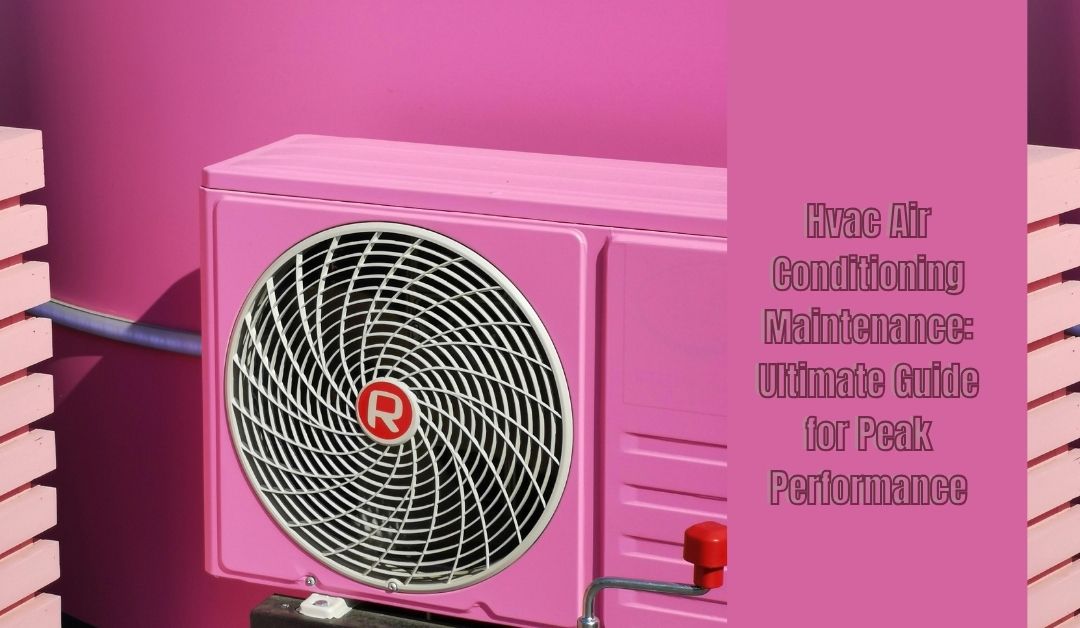
    Hvac Air Conditioning Maintenance: Ultimate Guide for Peak Performance

    Email Marketing Hacks for Low Budget Businesses

    Air conditioning keeps our homes cool during hot days. It also helps us stay comfortable and safe. But, to keep an air conditioner working well, it needs care. This care is called HVAC air conditioning maintenance.

    What Is HVAC Air Conditioning Maintenance?

    HVAC stands for Heating, Ventilation, and Air Conditioning. It means the system that controls air in your home. Air conditioning maintenance means checking and fixing parts to keep the system working well.

    When you do regular maintenance, your air conditioner uses less energy. It also lasts longer and keeps your home cooler.

    Why Is HVAC Air Conditioning Maintenance Important?

    • Save Money: A well-maintained AC uses less power.
    • Stay Cool: It keeps your home at the right temperature.
    • Better Air Quality: Clean filters help remove dust and dirt.
    • Longer Life: The system lasts longer when cared for.
    • Fewer Breakdowns: Maintenance can stop big problems before they start.

    How Often Should You Maintain Your Air Conditioner?
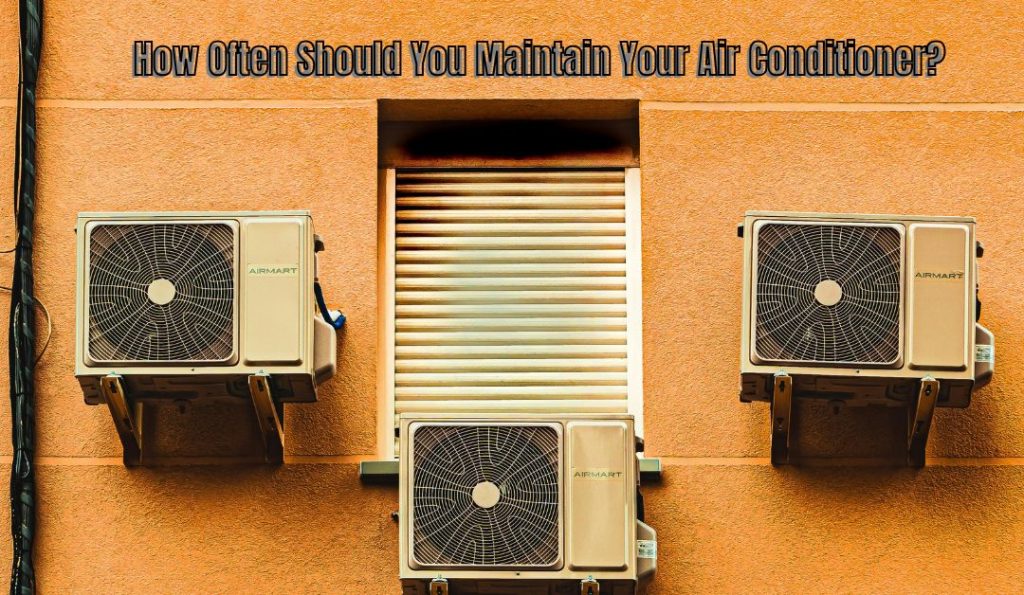
    How Often Should You Maintain Your Air Conditioner?

    It is best to check your AC at least twice a year. Usually, once in spring and once in fall. This way, your system is ready for summer and winter.

    Simple HVAC Air Conditioning Maintenance Tips

    You can do some maintenance yourself. Here are easy steps:

    1. Change Or Clean The Air Filter

    The air filter catches dust and dirt. It stops these from entering your home. But, if the filter is dirty, air can’t pass well. This makes your AC work harder.

    Check the filter every month. If it looks dirty, replace it or clean it. This simple step helps your AC work better.

    2. Clean The Outdoor Unit

    The outdoor unit can get dirty from leaves, grass, and dust. This can stop it from working well.

    Turn off the power first. Then, gently clean the unit with a brush or hose. Do not use high pressure. Make sure nothing blocks the air around it.

    3. Check The Thermostat

    The thermostat controls the temperature in your home. Make sure it shows the right temperature. If you use a programmable thermostat, check the settings.

    4. Clear The Drain Line

    The drain line removes water from the AC. Sometimes it gets blocked. This can cause water leaks inside your home.

    To clean it, pour some vinegar or water through the drain line. This helps clear any blockages.

    5. Inspect The Ducts

    Ducts carry cool air to every room. If ducts have holes or leaks, air escapes. This wastes energy and cool air.

    Check ducts for damage. Seal any leaks with duct tape or call a professional.

    Signs Your Air Conditioner Needs Maintenance

    Sometimes your AC may show problems. Look for these signs:

    SignWhat It Means
    Weak airflowDirty filter or blocked ducts
    Warm air comes outLow refrigerant or compressor issues
    Strange noisesLoose parts or motor problems
    Water leaksBlocked drain line or frozen coils
    High energy billsSystem is not running efficiently

    When to Call a Professional

    Some maintenance jobs need special tools and knowledge. It is best to call a professional in these cases:

    • If your AC is not cooling well after you clean it.
    • If you hear loud noises or strange smells.
    • If you see water leaking inside your home.
    • If your energy bills suddenly go up.
    • For yearly full system checkups.

    Professionals can check refrigerant levels, electrical parts, and overall system health. They can fix problems safely and correctly.

    Benefits of Professional HVAC Air Conditioning Maintenance

    • Better Performance: Your AC runs smoothly and cools well.
    • Energy Savings: Lower electricity bills from efficient operation.
    • Longer Equipment Life: Fewer breakdowns and longer use.
    • Safety: Professionals check for electrical and gas issues.

    Tips for Keeping Your Air Conditioner in Good Shape

    • Keep the area around the outdoor unit clear.
    • Use blinds or curtains to block direct sunlight.
    • Set the thermostat at a comfortable temperature.
    • Turn off the AC when not needed.
    • Have a professional check your system every year.

    Frequently Asked Questions

    How Often Should I Schedule Hvac Air Conditioning Maintenance?

    Scheduling HVAC maintenance twice a year is ideal. This keeps your system efficient and prevents breakdowns during extreme weather.

    What Are The Signs My Air Conditioner Needs Maintenance?

    Look for weak airflow, strange noises, or warm air. These signs often indicate the need for a tune-up or repair.

    Can I Perform Hvac Air Conditioning Maintenance Myself?

    Basic tasks like changing filters are easy to do. More complex jobs should be left to professionals for safety and accuracy.

    Why Is Regular Hvac Air Conditioning Maintenance Important?

    Regular maintenance improves system efficiency and extends its life. It also helps reduce energy bills and costly repairs.

    Conclusion

    HVAC air conditioning maintenance is important. It helps your system work well and last long. Simple steps like cleaning filters and clearing debris make a big difference. Regular checks prevent costly repairs.

    Take care of your AC, and it will take care of you.
  • Become an HVAC Technician: Unlock High-Paying Job Opportunities

    Become an HVAC Technician: Unlock High-Paying Job Opportunities

    Become an Hvac Technician: Unlock High-Paying Job Opportunities

    Do you want to work with heating, cooling, and ventilation systems? Becoming an HVAC technician might be a good choice. HVAC means Heating, Ventilation, and Air Conditioning. These systems keep homes and buildings warm or cool. They also help clean the air.

    What Does an HVAC Technician Do?

    An HVAC technician installs, fixes, and maintains heating and cooling machines. They work on furnaces, air conditioners, and ventilation systems. When a heater or air conditioner stops working, people call HVAC technicians.

    Their job is important. Without heating, homes can be very cold in winter. Without air conditioning, buildings can be too hot in summer. Good air systems make people comfortable and healthy.

    Why Choose a Career as an HVAC Technician?

    • There are many jobs available for HVAC technicians.
    • The work is often hands-on and active.
    • You can work indoors or outdoors.
    • You help people stay safe and comfortable.
    • The pay is good and can grow with experience.

    What Skills Do You Need?

    To be a good HVAC technician, you need some skills. These skills can be learned over time.

    • Good problem-solving: You must find out what is wrong and fix it.
    • Mechanical skills: You work with machines and tools.
    • Basic math: You use measurements and calculations often.
    • Physical fitness: The job can be active and sometimes hard.
    • Good communication: You explain problems and solutions to customers.

    How to Start Your HVAC Career

    Starting a career as an HVAC technician has several steps. You need education, training, and sometimes a license.

    Step 1: Get A High School Diploma Or Ged

    Most HVAC jobs require at least a high school diploma. Classes in math, science, and English help you learn important basics.

    Step 2: Join An Hvac Training Program

    Many technical schools and community colleges offer HVAC programs. These programs teach you about heating, cooling, electrical systems, and safety.

    Training programs usually last 6 months to 2 years. You learn both in the classroom and by doing hands-on work.

    Step 3: Get Work Experience

    After training, you need real work experience. Many new technicians start as helpers or apprentices.

    Apprenticeships combine work and learning. You work with an experienced technician. This helps you gain skills and learn the job better.

    Step 4: Get Licensed Or Certified (if Required)

    Some places need HVAC technicians to have a license or certificate. This shows you have the right skills and knowledge.

    Licensing rules are different in each state or country. Check local rules to see if you need a license.

    Step 5: Keep Learning

    HVAC technology changes fast. New machines and systems come out often. Good technicians keep learning new skills and information.

    You can take extra classes or workshops to stay updated. This helps you do your job better and find more work.

    Tools and Equipment Used by HVAC Technicians

    HVAC technicians use many tools to do their jobs. Some common tools are:

    • Multimeter – to check electrical circuits
    • Refrigerant gauges – to measure cooling fluids
    • Wrenches and screwdrivers – for repairs and installation
    • Pipe cutters – to cut pipes for heating or cooling
    • Vacuum pumps – to remove air from cooling systems

    Work Environment of an HVAC Technician

    HVAC technicians work in many places. Some work in homes, others in offices or factories. They may work indoors or outdoors. Sometimes they climb ladders or work in small spaces.

    The work can be hot or cold, depending on the season. Safety is important, so technicians wear protective gear.

    Salary and Job Outlook for HVAC Technicians

    HVAC technicians earn a good income. The pay depends on experience and location.

    Experience LevelAverage Yearly Salary (USD)
    Entry Level$30,000 – $40,000
    Mid Level$40,000 – $55,000
    Experienced$55,000 – $70,000+

    The demand for HVAC technicians is expected to grow. More buildings need good heating and cooling systems.

    Summary: Steps to Become an HVAC Technician

    1. Finish high school or get a GED.
    2. Enroll in an HVAC training program.
    3. Gain work experience as an apprentice or helper.
    4. Get licensed or certified if needed.
    5. Keep learning to stay current in the field.

    Becoming an HVAC technician is a good job choice. It offers steady work and a chance to learn new skills. If you like working with tools and fixing things, this job can suit you.

    Frequently Asked Questions

    What Education Is Needed To Become An Hvac Technician?

    Most HVAC technicians need a high school diploma or GED. Technical training from a trade school or community college is common. Certificates or associate degrees help with job readiness.

    How Long Does Hvac Training Usually Take?

    Training programs often last 6 months to 2 years. Some take less time for basic certificates. Hands-on experience is important during training.

    What Skills Are Essential For Hvac Technicians?

    Good mechanical skills and problem-solving are key. Basic math and communication skills also help. Physical fitness is important for handling equipment.

    Do Hvac Technicians Need Licenses Or Certifications?

    Many states require technicians to be licensed. EPA certification is needed to handle refrigerants. Certification shows employers you meet safety standards.

  • Average Salary of a Hvac Tech: Unlock Top Earnings in 2026

    Average Salary of a Hvac Tech: Unlock Top Earnings in 2026

    Average Salary of a Hvac Tech: Unlock Top Earnings in 2026

    Are you curious about the average salary of a HVAC tech? Maybe you want to become one or just want to know what they earn. This article will explain it clearly and simply.

    Who is a HVAC Tech?

    A HVAC tech is a person who works with heating, ventilation, and air conditioning systems. They fix, install, and maintain these systems in homes and buildings. These systems keep people comfortable by controlling the air temperature.

    Why Does Salary Matter?

    Salary tells how much money a person earns from their job. Knowing the average salary helps people decide if the job is good for them. It also shows what to expect when working in this field.

    What is the Average Salary of a HVAC Tech?

    The average salary of a HVAC tech in the United States is around $50,000 per year. This means many HVAC techs earn close to this amount every year. But the actual pay can be higher or lower depending on different factors.

    Factors That Affect The Salary

    • Experience: More experience usually means higher pay.
    • Location: Some cities pay more because of higher living costs.
    • Education and Certification: Extra training can increase salary.
    • Type of Employer: Working for big companies may pay better than small ones.

    Salary By Experience Level

    Experience LevelAverage Salary (Yearly)
    Entry-level (0-2 years)$35,000 – $40,000
    Mid-level (3-5 years)$45,000 – $55,000
    Experienced (5+ years)$55,000 – $65,000

    As you see, the more years you work, the more money you can earn.

    Salary Differences By Location

    Some places pay HVAC techs more than others. This depends on how much people need these services and the cost of living. Here are some examples of average yearly pay in different states:

    StateAverage Salary
    California$60,000
    Texas$48,000
    Florida$45,000
    New York$55,000
    Ohio$42,000

    States with hot or cold weather often have higher salaries for HVAC techs. This is because people need heating and cooling more.

    How Education And Certification Affect Salary

    HVAC techs can get special training. This helps them learn more skills. Some take classes to get certificates or licenses. These can help them get better jobs and earn more money.

    • Basic HVAC training can lead to entry-level jobs.
    • Advanced certificates can increase pay by $5,000 or more.
    • Licenses show that the tech is skilled and trustworthy.

    Investing time in learning can pay off in higher salary.

    Types Of Employers And Their Pay

    Where a HVAC tech works also matters. Here are some common types of employers and average pay:

    Employer TypeAverage Salary
    Residential HVAC companies$45,000
    Commercial HVAC companies$55,000
    Government or public sector$50,000
    Self-employed or contractors$60,000 or more

    Self-employed HVAC techs can earn more. But they also have extra costs like tools and insurance.

    Other Benefits Besides Salary

    Salary is not the only good thing about being a HVAC tech. Many get benefits like:

    • Health insurance
    • Paid vacation days
    • Retirement plans
    • Overtime pay
    • Job security

    These benefits add value to the job and help techs live better.

    How to Increase Your Salary as a HVAC Tech

    If you want to earn more, here are some tips:

    • Gain more experience by working longer.
    • Take extra training courses.
    • Get certified or licensed.
    • Look for jobs in high-paying areas.
    • Consider working in commercial HVAC.
    • Think about starting your own business.

    Each step can help increase your pay over time.

    Summary

    The average salary of a HVAC tech in the US is about $50,000 per year. But many factors change this number. Experience, location, education, and employer type all matter.

    If you want to work as a HVAC tech, you have good chances to earn a decent salary. Learning more skills and gaining experience will help you earn more money.

    Being a HVAC tech is a useful and steady job. Many people depend on HVAC techs to keep their homes and offices comfortable. So, the demand for HVAC techs stays strong.

    Now you know the facts about HVAC tech salaries. This can help you decide if this job is right for you.

    Frequently Asked Questions

    What Is The Average Salary Of An Hvac Tech In The Us?

    The average salary of an HVAC tech in the US is around $50,000 per year. Salaries can vary by location, experience, and certifications.

    How Does Experience Affect An Hvac Tech’s Salary?

    More experience usually means higher pay for HVAC techs. Entry-level techs earn less, while experts can make significantly more.

    Do Hvac Tech Certifications Increase Salary Potential?

    Yes, certifications often lead to better pay. They show skills and knowledge, which employers value highly.

    What Is The Starting Salary For A New Hvac Technician?

    New HVAC technicians typically earn between $30,000 and $40,000 annually. This depends on the region and company size.