Tag: plumbing Business

  • Difference between Pipefitter And Plumber: Key Roles Explained

    Difference between Pipefitter And Plumber: Key Roles Explained

    Difference between Pipefitter And Plumber: Key Roles Explained

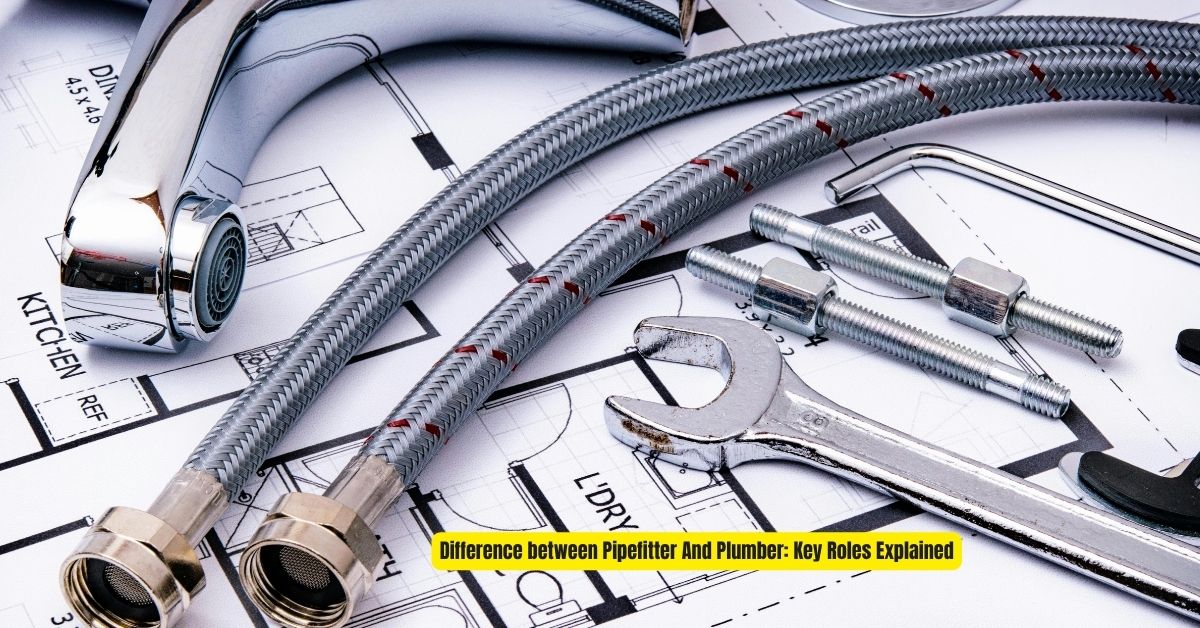
    Many people often think pipefitters and plumbers do the same job. But they are quite different. Both work with pipes, but their work, tools, and skills are not the same.

    This article will explain the main differences between a pipefitter and a plumber. You will learn what each one does, where they work, and how their jobs differ.

    What Does a Plumber Do?

    A plumber installs and fixes pipes that carry water, gas, or waste. They work in homes, offices, and buildings. Their job is to make sure water flows well and safely.

    Plumbers work on pipes that bring clean water in. They also fix pipes that take dirty water out. This keeps homes and buildings clean and healthy.

    Common Tasks Of A Plumber

    • Installing sinks, toilets, and bathtubs.
    • Fixing leaks in water pipes.
    • Unclogging drains and sewer lines.
    • Installing water heaters and faucets.
    • Checking pipes for damage or leaks.

    Where Do Plumbers Work?

    Plumbers mostly work in residential and commercial buildings. They go inside homes, schools, and offices. Their work is usually indoors.

    Tools Used By Plumbers

    Plumbers use tools like pipe wrenches, plungers, and pipe cutters. They also use special machines to clear clogs.

    What Does a Pipefitter Do?

    Pipefitters work with pipes too, but their pipes carry different things. They install pipes that carry steam, chemicals, and gases. These pipes are often very hot or very cold.

    Pipefitters work mainly in factories, power plants, and big buildings. Their pipes help machines work and keep buildings safe.

    Common Tasks Of A Pipefitter

    • Installing pipes for steam and chemicals.
    • Cutting and bending metal pipes.
    • Reading blueprints to place pipes correctly.
    • Testing pipes for leaks under pressure.
    • Welding and joining metal pipes.

    Where Do Pipefitters Work?

    Pipefitters mostly work in industrial places. Factories, power plants, and ships are common sites. They often work outdoors or in large spaces.

    Tools Used By Pipefitters

    Pipefitters use tools like welding machines, pipe benders, and grinders. Their work needs heavy-duty tools for metal pipes.

    Key Differences Between Pipefitters and Plumbers

    AspectPipefitterPlumber
    Type of PipesMetal pipes for steam, gases, chemicalsPipes for water, waste, and gas
    WorkplacesFactories, power plants, shipsHomes, offices, schools
    Main TasksInstalling, cutting, welding pipesInstalling and fixing water and waste systems
    ToolsWelding machines, pipe bendersWrenches, plungers, pipe cutters
    Pipe MaterialMostly metal pipesPlastic, copper, and metal pipes
    Pipe SizeLarge and thick pipesSmaller pipes for water and waste
    Safety ConcernsHigh pressure, chemicals, heatWater leaks, clogs, gas leaks

    Skills Needed for Each Job

    Both jobs need good skills. But the skills differ.

    Skills For Pipefitters

    • Strong welding and cutting skills.
    • Ability to read complex blueprints.
    • Understanding of pressure and temperature.
    • Good physical strength for heavy pipes.
    • Knowledge of safety rules for chemicals and heat.

    Skills For Plumbers

    • Fixing leaks quickly and safely.
    • Understanding water and waste systems.
    • Customer service skills for homes and businesses.
    • Using hand tools well.
    • Working in small spaces like under sinks.

    Training and Education

    Both pipefitters and plumbers need training. Usually, they attend trade schools or apprenticeships.

    Apprenticeships let workers learn on the job. They work with experts and gain experience.

    Some pipefitters and plumbers get licenses. This shows they know the rules and skills.
    Training and Education

    Why Understanding the Difference Matters

    Knowing the difference helps you choose the right worker. If you have a water leak, call a plumber. If you need pipes for a factory, call a pipefitter.

    Each job needs special skills. Hiring the right person saves time and money.

    Summary

    Pipefitters and plumbers both work with pipes. But their jobs are not the same.

    Plumbers work with water and waste pipes in homes and offices. Pipefitters work with metal pipes for steam and chemicals in factories.

    Their tools, skills, and work places differ. Understanding this helps you find the right expert for your needs.

    Next time you see someone working with pipes, you can guess if they are a plumber or a pipefitter!

    Frequently Asked Questions

    What Is The Main Difference Between A Pipefitter And A Plumber?

    Pipefitters install and repair pipes for high-pressure systems. Plumbers focus on water supply and drainage systems in homes and buildings.

    Do Pipefitters And Plumbers Use The Same Tools?

    Both use wrenches and pipe cutters, but pipefitters need specialized tools for metal pipes and welding.

    Which Jobs Do Plumbers Usually Handle?

    Plumbers work on water pipes, toilets, sinks, and drainage systems in residential and commercial buildings.

    What Types Of Systems Do Pipefitters Work On?

    Pipefitters install pipes for heating, cooling, chemical, and industrial systems that handle high pressure or temperature.
  • Construction Plumbing Work: Essential Tips for Flawless Results

    Construction Plumbing Work: Essential Tips for Flawless Results

    Construction Plumbing Work: Essential Tips for Flawless Results

    Construction plumbing work is a big part of building homes and buildings. It helps bring water in and take waste out. Without plumbing, buildings cannot work well. This article explains what construction plumbing work is. It also tells why it is important and how it is done.

    What is Construction Plumbing Work?

    Construction plumbing work means putting pipes and systems in new buildings. These pipes carry water, gas, and waste. The plumber installs these pipes before the walls and floors are finished. The work is careful and needs skill. It must follow rules to keep people safe.

    Why is Plumbing Important in Construction?

    Plumbing is very important. It brings clean water for drinking, cooking, and washing. It also removes dirty water and waste safely. Good plumbing keeps homes healthy and clean. Bad plumbing can cause leaks, bad smells, and health problems.

    Think about this: no water in taps or showers. No way to flush toilets. Plumbing makes life easier and safer.

    Types of Plumbing Work in Construction

    Plumbing work includes many parts. Here are some main types:

    • Water supply piping: Pipes that bring clean water inside.
    • Drainage systems: Pipes that take waste water out.
    • Gas piping: Pipes that carry gas for cooking or heating.
    • Fixtures installation: Fitting sinks, toilets, showers, and taps.

    Steps in Construction Plumbing Work

    Plumbing in new buildings follows many steps. These steps help plumbers plan and work well.

    1. Planning And Designing

    First, plumbers look at the building plans. They decide where pipes and fixtures will go. They choose pipe sizes and types. Good planning avoids problems later.

    2. Rough-in Plumbing

    This step puts pipes inside walls and floors. The pipes for water and waste are fixed. No fixtures are attached yet. It is the hidden part of plumbing.

    3. Installing Fixtures

    After walls are done, plumbers add sinks, toilets, and showers. They connect these to the pipes. This step makes plumbing ready to use.

    4. Testing

    Plumbers check for leaks and blockages. They test water flow and waste removal. Testing makes sure everything works right.

    Materials Used in Construction Plumbing

    Different materials are used for pipes and fittings. Some common materials are:

    MaterialUseAdvantages
    CopperWater supply pipesStrong, lasts long, resists corrosion
    PVC (Plastic)Drainage pipesLightweight, cheap, easy to install
    PEXWater supply pipesFlexible, easy to install, resists freezing
    Galvanized SteelOld water pipesStrong but can rust over time

    Tools Used in Construction Plumbing

    Plumbers use many tools. Here are some common ones:

    • Pipe wrenches: To hold and turn pipes.
    • Pipe cutters: To cut pipes to size.
    • Plumber’s tape: To seal pipe joints.
    • Plungers: To clear blockages.
    • Measuring tape: To measure pipe lengths.

    Common Challenges in Construction Plumbing

    Common Challenges in Construction Plumbing

    Plumbing work can be hard. Some challenges are:

    • Working in tight spaces.
    • Making sure pipes do not leak.
    • Matching pipes with building plans.
    • Following safety and building codes.
    • Coordinating with other builders on site.

    How to Keep Plumbing Systems Safe and Strong

    Good plumbing needs care. Here are some tips:

    • Use good quality materials.
    • Follow building rules and codes.
    • Test pipes before finishing walls.
    • Fix leaks quickly.
    • Keep pipes clean and clear.

    Signs of Problems in Plumbing Systems

    Sometimes plumbing has issues. Watch for these signs:

    • Water leaks or wet spots.
    • Slow draining sinks or tubs.
    • Bad smells near drains.
    • Water pressure changes.
    • Strange noises in pipes.

    Frequently Asked Questions

    What Is Construction Plumbing Work?

    Construction plumbing work involves installing and fixing pipes, drains, and fixtures in new buildings. It ensures water supply and waste removal work properly.

    Why Is Plumbing Important In Construction Projects?

    Plumbing provides clean water and removes waste safely. It helps keep buildings healthy and comfortable for people.

    What Materials Are Used In Construction Plumbing?

    Common materials include copper, PVC, and PEX pipes. These materials are strong, durable, and easy to install.

    How Long Does Construction Plumbing Usually Take?

    The time depends on the building size and complexity. Small projects may take days; larger ones can take weeks.

    Conclusion

    Construction plumbing work is an important part of building. It brings clean water in and takes waste out. Good plumbing keeps buildings safe and healthy. Plumbers need to plan well and use the right materials. Testing and fixing problems early helps a lot. When plumbing is done right, everyone can enjoy clean water and safe homes.

    Next time you turn on a tap or flush a toilet, remember the work behind it. Plumbing makes everyday life easier and better.