Tag: HVAC Technicians

  • Hvac Air Conditioning Maintenance: Ultimate Guide for Peak Performance

    Hvac Air Conditioning Maintenance: Ultimate Guide for Peak Performance

    Email Marketing Hacks for Low Budget Businesses

    Air conditioning keeps our homes cool during hot days. It also helps us stay comfortable and safe. But, to keep an air conditioner working well, it needs care. This care is called HVAC air conditioning maintenance.

    What Is HVAC Air Conditioning Maintenance?

    HVAC stands for Heating, Ventilation, and Air Conditioning. It means the system that controls air in your home. Air conditioning maintenance means checking and fixing parts to keep the system working well.

    When you do regular maintenance, your air conditioner uses less energy. It also lasts longer and keeps your home cooler.

    Why Is HVAC Air Conditioning Maintenance Important?

    • Save Money: A well-maintained AC uses less power.
    • Stay Cool: It keeps your home at the right temperature.
    • Better Air Quality: Clean filters help remove dust and dirt.
    • Longer Life: The system lasts longer when cared for.
    • Fewer Breakdowns: Maintenance can stop big problems before they start.

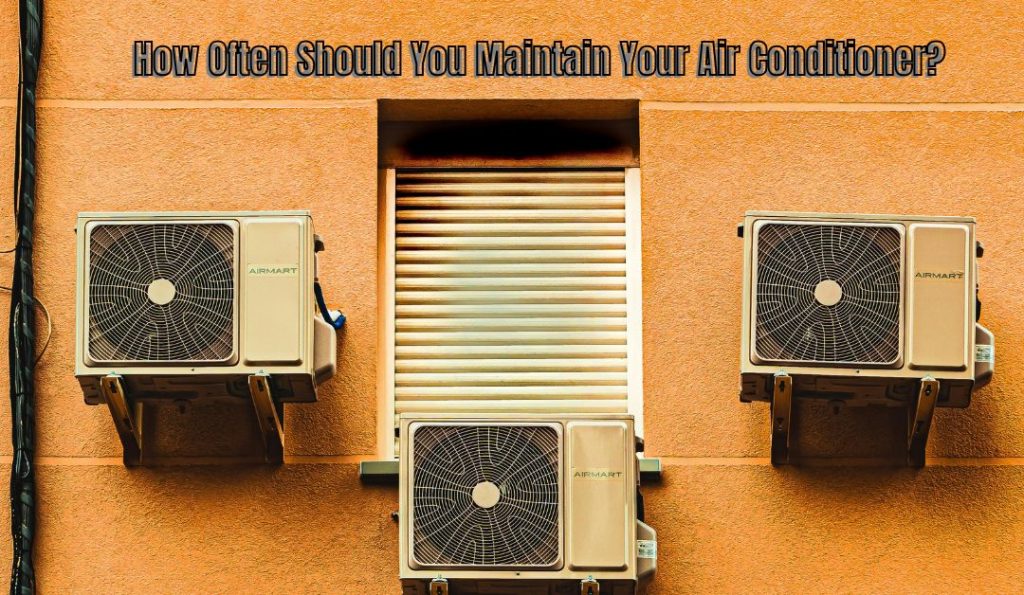
    How Often Should You Maintain Your Air Conditioner?
    How Often Should You Maintain Your Air Conditioner?

    It is best to check your AC at least twice a year. Usually, once in spring and once in fall. This way, your system is ready for summer and winter.

    Simple HVAC Air Conditioning Maintenance Tips

    You can do some maintenance yourself. Here are easy steps:

    1. Change Or Clean The Air Filter

    The air filter catches dust and dirt. It stops these from entering your home. But, if the filter is dirty, air can’t pass well. This makes your AC work harder.

    Check the filter every month. If it looks dirty, replace it or clean it. This simple step helps your AC work better.

    2. Clean The Outdoor Unit

    The outdoor unit can get dirty from leaves, grass, and dust. This can stop it from working well.

    Turn off the power first. Then, gently clean the unit with a brush or hose. Do not use high pressure. Make sure nothing blocks the air around it.

    3. Check The Thermostat

    The thermostat controls the temperature in your home. Make sure it shows the right temperature. If you use a programmable thermostat, check the settings.

    4. Clear The Drain Line

    The drain line removes water from the AC. Sometimes it gets blocked. This can cause water leaks inside your home.

    To clean it, pour some vinegar or water through the drain line. This helps clear any blockages.

    5. Inspect The Ducts

    Ducts carry cool air to every room. If ducts have holes or leaks, air escapes. This wastes energy and cool air.

    Check ducts for damage. Seal any leaks with duct tape or call a professional.

    Signs Your Air Conditioner Needs Maintenance

    Sometimes your AC may show problems. Look for these signs:

    SignWhat It Means
    Weak airflowDirty filter or blocked ducts
    Warm air comes outLow refrigerant or compressor issues
    Strange noisesLoose parts or motor problems
    Water leaksBlocked drain line or frozen coils
    High energy billsSystem is not running efficiently

    When to Call a Professional

    Some maintenance jobs need special tools and knowledge. It is best to call a professional in these cases:

    • If your AC is not cooling well after you clean it.
    • If you hear loud noises or strange smells.
    • If you see water leaking inside your home.
    • If your energy bills suddenly go up.
    • For yearly full system checkups.

    Professionals can check refrigerant levels, electrical parts, and overall system health. They can fix problems safely and correctly.

    Benefits of Professional HVAC Air Conditioning Maintenance

    • Better Performance: Your AC runs smoothly and cools well.
    • Energy Savings: Lower electricity bills from efficient operation.
    • Longer Equipment Life: Fewer breakdowns and longer use.
    • Safety: Professionals check for electrical and gas issues.

    Tips for Keeping Your Air Conditioner in Good Shape

    • Keep the area around the outdoor unit clear.
    • Use blinds or curtains to block direct sunlight.
    • Set the thermostat at a comfortable temperature.
    • Turn off the AC when not needed.
    • Have a professional check your system every year.

    Frequently Asked Questions

    How Often Should I Schedule Hvac Air Conditioning Maintenance?

    Scheduling HVAC maintenance twice a year is ideal. This keeps your system efficient and prevents breakdowns during extreme weather.

    What Are The Signs My Air Conditioner Needs Maintenance?

    Look for weak airflow, strange noises, or warm air. These signs often indicate the need for a tune-up or repair.

    Can I Perform Hvac Air Conditioning Maintenance Myself?

    Basic tasks like changing filters are easy to do. More complex jobs should be left to professionals for safety and accuracy.

    Why Is Regular Hvac Air Conditioning Maintenance Important?

    Regular maintenance improves system efficiency and extends its life. It also helps reduce energy bills and costly repairs.

    Conclusion

    HVAC air conditioning maintenance is important. It helps your system work well and last long. Simple steps like cleaning filters and clearing debris make a big difference. Regular checks prevent costly repairs.

    Take care of your AC, and it will take care of you.
  • History of HVAC: Uncovering the Evolution of Climate Control

    History of HVAC: Uncovering the Evolution of Climate Control

    History of HVAC: Uncovering the Evolution of Climate Control

    Have you ever wondered how people kept warm or cool before modern air conditioners and heaters? The story of HVAC is full of interesting events. HVAC means heating, ventilation, and air conditioning. These systems help us live comfortably inside buildings. Let’s take a journey through time and learn how HVAC started and grew.

    What Is HVAC?

    HVAC stands for heating, ventilation, and air conditioning. These systems help control the temperature and air quality inside buildings. They keep us warm in winter and cool in summer. They also bring fresh air inside and remove dirty air. Without HVAC, life indoors would be hard.

    Ancient Ways of Heating and Cooling

    Long ago, people used simple ways to stay warm or cool. They did not have machines or electricity.

    Heating In Ancient Times

    • Early humans made fires to keep warm.
    • People built fireplaces inside homes.
    • Romans invented underfloor heating called “hypocaust.”

    The Romans were clever. They made hot air flow under floors. This warmed the rooms above. It was one of the first heating systems.

    Cooling In Ancient Times

    • People used thick walls to keep heat out.
    • They built homes with small windows to block the sun.
    • In Egypt, people hung wet mats on windows to cool air.

    These old ways helped people stay cool. But they were not perfect.

    The Middle Ages and Early Heating Systems

    In the Middle Ages, heating improved a little. People used big fireplaces in castles and homes. But they were not efficient. Much heat escaped through chimneys.

    Still, people worked hard to keep warm. They used heavy clothes and blankets too.

    The Industrial Revolution Brings New Ideas

    The Industrial Revolution changed many things. It started in the 1700s and 1800s. New machines and inventions made life easier. It also changed heating and cooling.

    Steam Heating

    Steam heating became popular. It used boiling water to make steam. The steam traveled through pipes to warm rooms.

    • Steam heating was cleaner than fireplaces.
    • It gave steady heat in big buildings.

    Ventilation Improvements

    Factories needed fresh air for workers. So, new ventilation systems were made. Fans and vents helped bring air in and out.

    The Birth of Modern Air Conditioning

    The Birth of Modern Air Conditioning

    Air conditioning as we know it began in the early 1900s. A man named Willis Carrier made the first modern air conditioner in 1902.

    Carrier worked to control humidity and temperature. His invention helped print shops keep paper dry. Soon, people saw that air conditioning could cool homes and offices.

    How Air Conditioning Works

    Air conditioners cool air by removing heat and moisture. They use special fluids called refrigerants. These fluids absorb heat from inside and release it outside.

    Before Carrier, people had no way to cool large buildings well. After his invention, air conditioning spread quickly.

    Heating Advances in the 20th Century

    Besides air conditioning, heating also improved a lot.

    • Gas furnaces became common, using natural gas for heat.
    • Electric heaters were invented for homes without gas.
    • Thermostats helped control temperature easily.

    These changes made homes warmer and more comfortable in winter.

    Ventilation and Indoor Air Quality

    Good ventilation is important for health. It removes bad air and brings fresh air inside. Over time, people learned more about air quality.

    New filters and fans were added to HVAC systems. They clean the air of dust, pollen, and germs.

    HVAC Today

    Today, HVAC systems are everywhere. From small homes to big skyscrapers, these systems keep us safe and comfortable.

    • Modern HVAC uses smart technology to save energy.
    • Many systems use eco-friendly refrigerants.
    • Heating and cooling are more efficient than ever.

    People can control their home temperature with their phones. HVAC systems also help reduce pollution.

    Why Is HVAC Important?

    HVAC helps in many ways:

    • Keeps people healthy by controlling air quality.
    • Makes homes and workplaces comfortable.
    • Protects buildings and equipment from damage.
    • Supports industries like hospitals, schools, and stores.

    Summary Table: Key Milestones in HVAC History

    Time PeriodEvent or InventionImportance
    Ancient RomeHypocaust underfloor heatingEarly form of central heating
    Middle AgesLarge fireplacesCommon heating in homes and castles
    Industrial RevolutionSteam heating and ventilationImproved heating for factories
    1902Willis Carrier’s air conditionerFirst modern air conditioning system
    20th CenturyGas furnaces, electric heaters, thermostatsBetter heating control and efficiency
    TodaySmart HVAC systems and eco refrigerantsEnergy saving and environmentally friendly

    Frequently Asked Questions

    What Is The Origin Of Hvac Systems?

    HVAC systems started in ancient times with basic heating and cooling ideas. Early Romans used aqueducts and ventilation to cool buildings.

    Who Invented The First Modern Air Conditioner?

    Willis Carrier invented the first modern air conditioner in 1902. His invention controlled humidity and temperature in factories.

    How Did Heating Evolve Before Hvac?

    People used fireplaces and stoves for heating before HVAC. These methods were less efficient and harder to control.

    When Did Hvac Become Common In Homes?

    HVAC became common in homes after World War II. Advances in technology made systems smaller and affordable.

    Conclusion

    The history of HVAC shows how people have worked to live better. From fires in caves to smart heating and cooling, the story is long. HVAC makes our homes and workplaces safe and nice. It helps us all feel good every day.

    Next time you turn on your heater or air conditioner, think about the long journey. Many people and ideas helped bring comfort to your life.

  • Become an HVAC Technician: Unlock High-Paying Job Opportunities

    Become an HVAC Technician: Unlock High-Paying Job Opportunities

    Become an Hvac Technician: Unlock High-Paying Job Opportunities

    Do you want to work with heating, cooling, and ventilation systems? Becoming an HVAC technician might be a good choice. HVAC means Heating, Ventilation, and Air Conditioning. These systems keep homes and buildings warm or cool. They also help clean the air.

    What Does an HVAC Technician Do?

    An HVAC technician installs, fixes, and maintains heating and cooling machines. They work on furnaces, air conditioners, and ventilation systems. When a heater or air conditioner stops working, people call HVAC technicians.

    Their job is important. Without heating, homes can be very cold in winter. Without air conditioning, buildings can be too hot in summer. Good air systems make people comfortable and healthy.

    Why Choose a Career as an HVAC Technician?

    • There are many jobs available for HVAC technicians.
    • The work is often hands-on and active.
    • You can work indoors or outdoors.
    • You help people stay safe and comfortable.
    • The pay is good and can grow with experience.

    What Skills Do You Need?

    To be a good HVAC technician, you need some skills. These skills can be learned over time.

    • Good problem-solving: You must find out what is wrong and fix it.
    • Mechanical skills: You work with machines and tools.
    • Basic math: You use measurements and calculations often.
    • Physical fitness: The job can be active and sometimes hard.
    • Good communication: You explain problems and solutions to customers.

    How to Start Your HVAC Career

    Starting a career as an HVAC technician has several steps. You need education, training, and sometimes a license.

    Step 1: Get A High School Diploma Or Ged

    Most HVAC jobs require at least a high school diploma. Classes in math, science, and English help you learn important basics.

    Step 2: Join An Hvac Training Program

    Many technical schools and community colleges offer HVAC programs. These programs teach you about heating, cooling, electrical systems, and safety.

    Training programs usually last 6 months to 2 years. You learn both in the classroom and by doing hands-on work.

    Step 3: Get Work Experience

    After training, you need real work experience. Many new technicians start as helpers or apprentices.

    Apprenticeships combine work and learning. You work with an experienced technician. This helps you gain skills and learn the job better.

    Step 4: Get Licensed Or Certified (if Required)

    Some places need HVAC technicians to have a license or certificate. This shows you have the right skills and knowledge.

    Licensing rules are different in each state or country. Check local rules to see if you need a license.

    Step 5: Keep Learning

    HVAC technology changes fast. New machines and systems come out often. Good technicians keep learning new skills and information.

    You can take extra classes or workshops to stay updated. This helps you do your job better and find more work.

    Tools and Equipment Used by HVAC Technicians

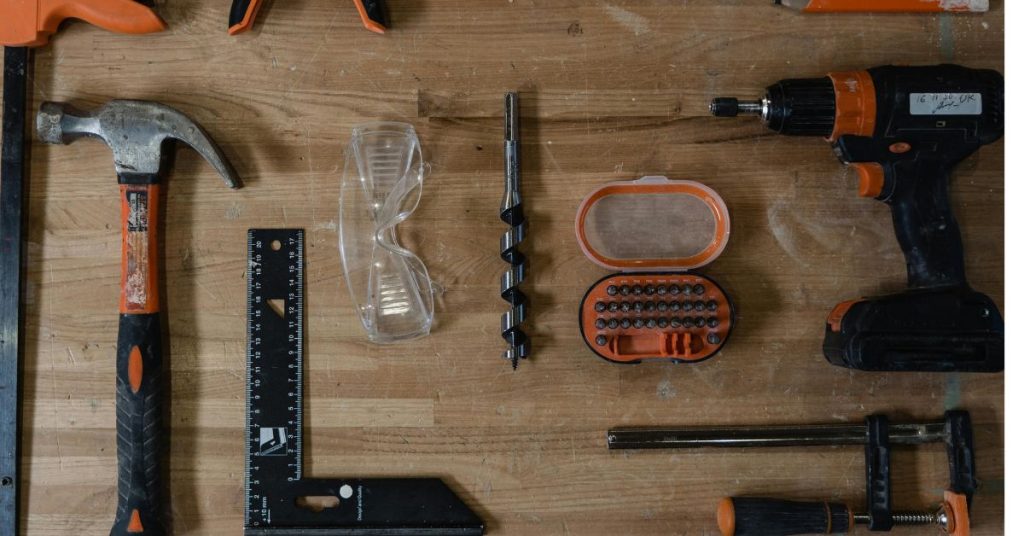
    HVAC technicians use many tools to do their jobs. Some common tools are:

    • Multimeter – to check electrical circuits
    • Refrigerant gauges – to measure cooling fluids
    • Wrenches and screwdrivers – for repairs and installation
    • Pipe cutters – to cut pipes for heating or cooling
    • Vacuum pumps – to remove air from cooling systems

    Work Environment of an HVAC Technician

    HVAC technicians work in many places. Some work in homes, others in offices or factories. They may work indoors or outdoors. Sometimes they climb ladders or work in small spaces.

    The work can be hot or cold, depending on the season. Safety is important, so technicians wear protective gear.

    Salary and Job Outlook for HVAC Technicians

    HVAC technicians earn a good income. The pay depends on experience and location.

    Experience LevelAverage Yearly Salary (USD)
    Entry Level$30,000 – $40,000
    Mid Level$40,000 – $55,000
    Experienced$55,000 – $70,000+

    The demand for HVAC technicians is expected to grow. More buildings need good heating and cooling systems.

    Summary: Steps to Become an HVAC Technician

    1. Finish high school or get a GED.
    2. Enroll in an HVAC training program.
    3. Gain work experience as an apprentice or helper.
    4. Get licensed or certified if needed.
    5. Keep learning to stay current in the field.

    Becoming an HVAC technician is a good job choice. It offers steady work and a chance to learn new skills. If you like working with tools and fixing things, this job can suit you.

    Frequently Asked Questions

    What Education Is Needed To Become An Hvac Technician?

    Most HVAC technicians need a high school diploma or GED. Technical training from a trade school or community college is common. Certificates or associate degrees help with job readiness.

    How Long Does Hvac Training Usually Take?

    Training programs often last 6 months to 2 years. Some take less time for basic certificates. Hands-on experience is important during training.

    What Skills Are Essential For Hvac Technicians?

    Good mechanical skills and problem-solving are key. Basic math and communication skills also help. Physical fitness is important for handling equipment.

    Do Hvac Technicians Need Licenses Or Certifications?

    Many states require technicians to be licensed. EPA certification is needed to handle refrigerants. Certification shows employers you meet safety standards.