Have you ever wondered how people kept warm or cool before modern air conditioners and heaters? The story of HVAC is full of interesting events. HVAC means heating, ventilation, and air conditioning. These systems help us live comfortably inside buildings. Let’s take a journey through time and learn how HVAC started and grew.
What Is HVAC?
HVAC stands for heating, ventilation, and air conditioning. These systems help control the temperature and air quality inside buildings. They keep us warm in winter and cool in summer. They also bring fresh air inside and remove dirty air. Without HVAC, life indoors would be hard.
Ancient Ways of Heating and Cooling
Long ago, people used simple ways to stay warm or cool. They did not have machines or electricity.
Heating In Ancient Times
- Early humans made fires to keep warm.
- People built fireplaces inside homes.
- Romans invented underfloor heating called “hypocaust.”
The Romans were clever. They made hot air flow under floors. This warmed the rooms above. It was one of the first heating systems.
Cooling In Ancient Times
- People used thick walls to keep heat out.
- They built homes with small windows to block the sun.
- In Egypt, people hung wet mats on windows to cool air.
These old ways helped people stay cool. But they were not perfect.
The Middle Ages and Early Heating Systems
In the Middle Ages, heating improved a little. People used big fireplaces in castles and homes. But they were not efficient. Much heat escaped through chimneys.
Still, people worked hard to keep warm. They used heavy clothes and blankets too.
The Industrial Revolution Brings New Ideas
The Industrial Revolution changed many things. It started in the 1700s and 1800s. New machines and inventions made life easier. It also changed heating and cooling.
Steam Heating
Steam heating became popular. It used boiling water to make steam. The steam traveled through pipes to warm rooms.
- Steam heating was cleaner than fireplaces.
- It gave steady heat in big buildings.
Ventilation Improvements
Factories needed fresh air for workers. So, new ventilation systems were made. Fans and vents helped bring air in and out.
The Birth of Modern Air Conditioning
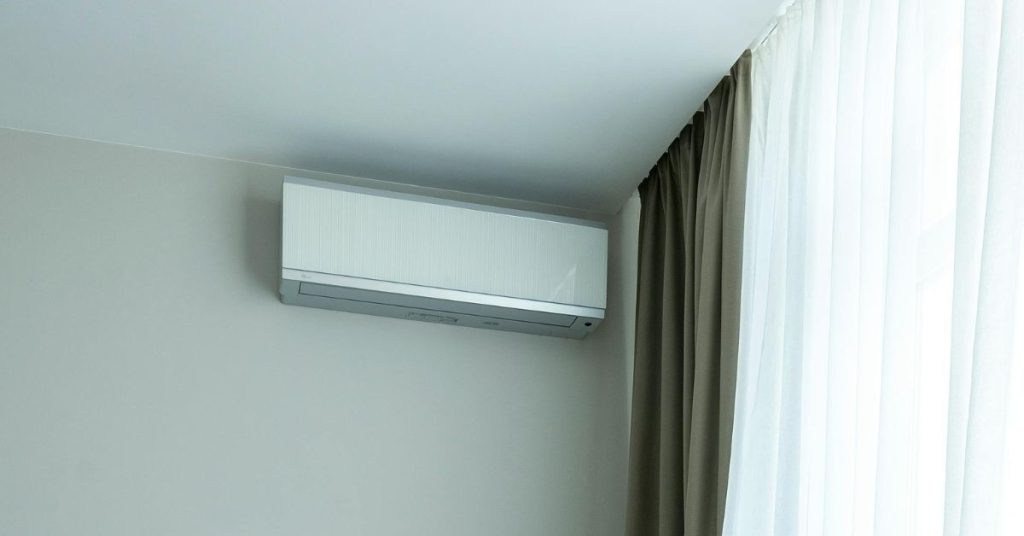
Air conditioning as we know it began in the early 1900s. A man named Willis Carrier made the first modern air conditioner in 1902.
Carrier worked to control humidity and temperature. His invention helped print shops keep paper dry. Soon, people saw that air conditioning could cool homes and offices.
How Air Conditioning Works
Air conditioners cool air by removing heat and moisture. They use special fluids called refrigerants. These fluids absorb heat from inside and release it outside.
Before Carrier, people had no way to cool large buildings well. After his invention, air conditioning spread quickly.
Heating Advances in the 20th Century
Besides air conditioning, heating also improved a lot.
- Gas furnaces became common, using natural gas for heat.
- Electric heaters were invented for homes without gas.
- Thermostats helped control temperature easily.
These changes made homes warmer and more comfortable in winter.
Ventilation and Indoor Air Quality
Good ventilation is important for health. It removes bad air and brings fresh air inside. Over time, people learned more about air quality.
New filters and fans were added to HVAC systems. They clean the air of dust, pollen, and germs.
HVAC Today
Today, HVAC systems are everywhere. From small homes to big skyscrapers, these systems keep us safe and comfortable.
- Modern HVAC uses smart technology to save energy.
- Many systems use eco-friendly refrigerants.
- Heating and cooling are more efficient than ever.
People can control their home temperature with their phones. HVAC systems also help reduce pollution.
Why Is HVAC Important?
HVAC helps in many ways:
- Keeps people healthy by controlling air quality.
- Makes homes and workplaces comfortable.
- Protects buildings and equipment from damage.
- Supports industries like hospitals, schools, and stores.
Summary Table: Key Milestones in HVAC History
| Time Period | Event or Invention | Importance |
|---|---|---|
| Ancient Rome | Hypocaust underfloor heating | Early form of central heating |
| Middle Ages | Large fireplaces | Common heating in homes and castles |
| Industrial Revolution | Steam heating and ventilation | Improved heating for factories |
| 1902 | Willis Carrier’s air conditioner | First modern air conditioning system |
| 20th Century | Gas furnaces, electric heaters, thermostats | Better heating control and efficiency |
| Today | Smart HVAC systems and eco refrigerants | Energy saving and environmentally friendly |
Frequently Asked Questions
What Is The Origin Of Hvac Systems?
HVAC systems started in ancient times with basic heating and cooling ideas. Early Romans used aqueducts and ventilation to cool buildings.
Who Invented The First Modern Air Conditioner?
Willis Carrier invented the first modern air conditioner in 1902. His invention controlled humidity and temperature in factories.
How Did Heating Evolve Before Hvac?
People used fireplaces and stoves for heating before HVAC. These methods were less efficient and harder to control.
When Did Hvac Become Common In Homes?
HVAC became common in homes after World War II. Advances in technology made systems smaller and affordable.
Conclusion
The history of HVAC shows how people have worked to live better. From fires in caves to smart heating and cooling, the story is long. HVAC makes our homes and workplaces safe and nice. It helps us all feel good every day.
Next time you turn on your heater or air conditioner, think about the long journey. Many people and ideas helped bring comfort to your life.
Leave a Reply